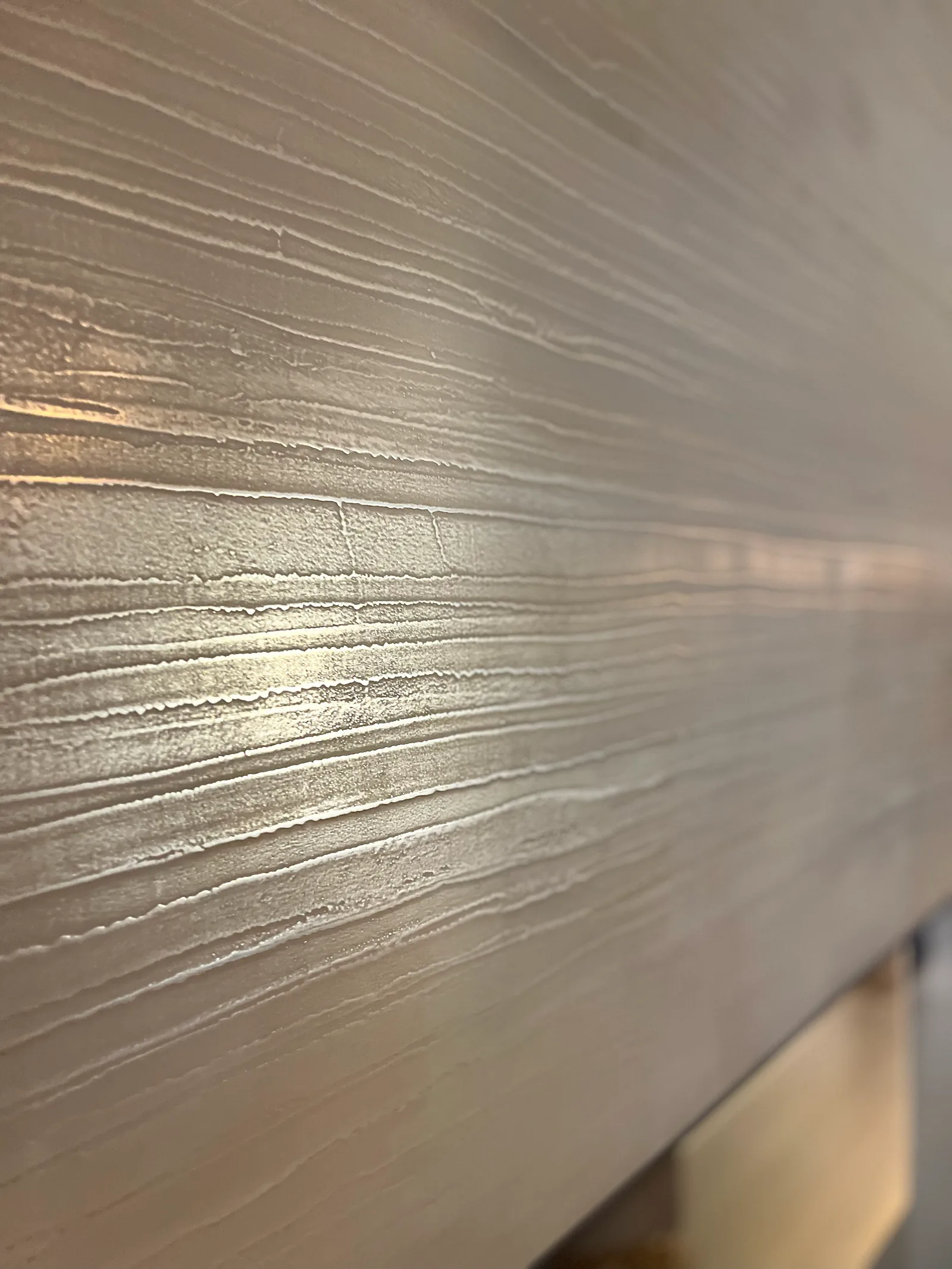
Caring for and cleaning microcement
A floor is there to be used. Shoes cross it, chairs move around the table and bathroom surfaces meet water and soap. The right care keeps that routine manageable.
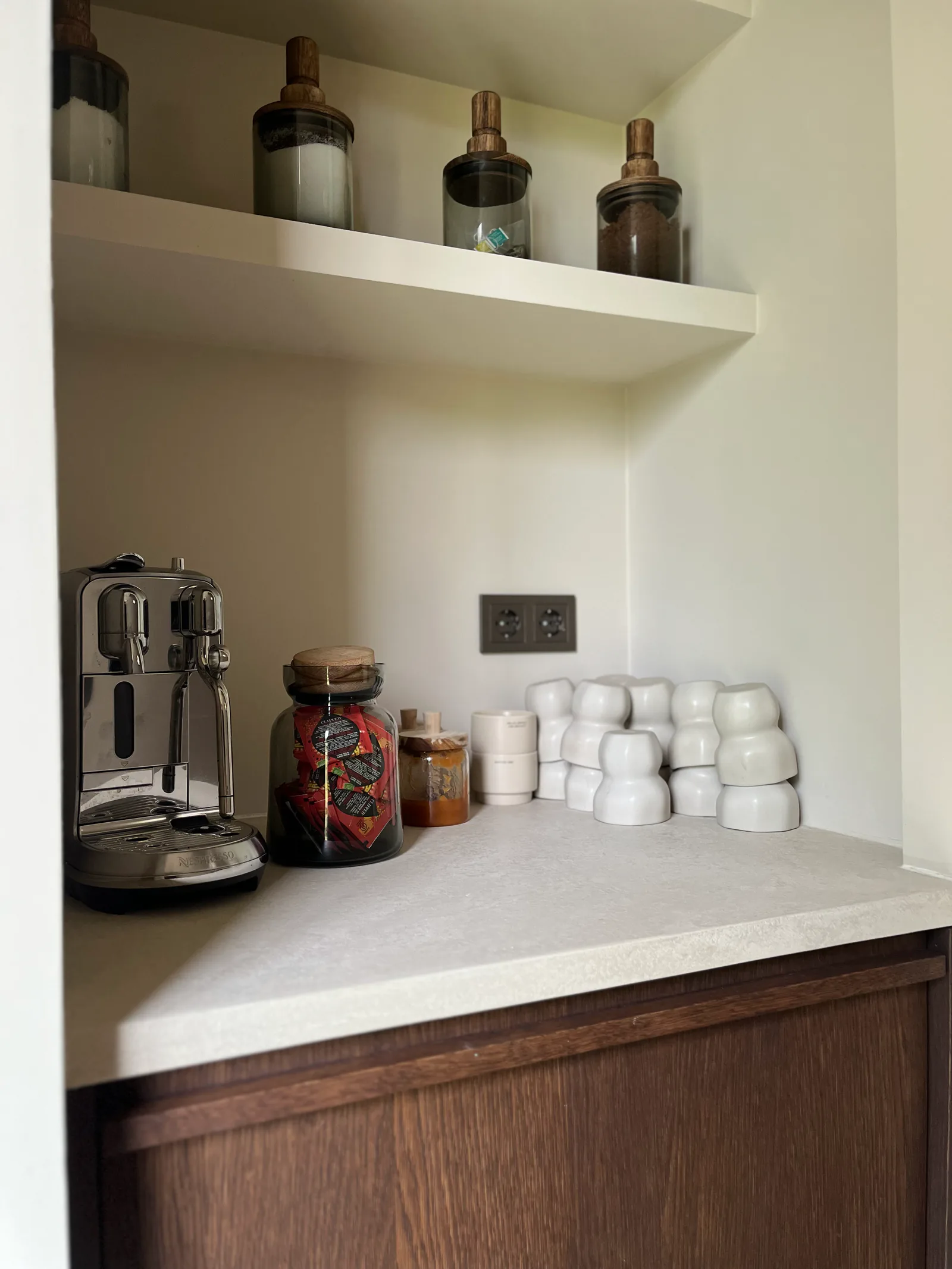
Start with the instructions for your finish. Once normal care is permitted, remove loose grit and dust, use a compatible cleaner at its specified dilution and deal with spills promptly. Do not use steam cleaners or abrasive cleaning products on Forcrete microcement.
A new floor, everyday dirt and damage need different approaches. This guide helps you separate them, understand what you can do and recognise when it is better to ask first.
Know what is on the floor
Microcement is not one fixed combination of products. Texture, sheen and protective finish help determine appropriate care. Advice for another floor does not automatically suit yours.
Find the handover information. It should identify the installed finish, its cleaner and the first-use instructions. An additional maintenance dressing matters too. A floor with that dressing does not necessarily need the same treatment as one without it.
If you do not know what was applied, ask the installer or previous owner. Product names, the completion date and photographs are a better starting point than the colour or the name 'beton ciré'. Our material comparison explains why those labels do not describe the whole system.
The first period is different
A recently finished surface can still be curing while it already looks complete. Walking, furniture placement, water and cleaning have separate requirements. Permission for one activity does not automatically permit another.
Wait to mop or use cleaning products until your finish has been released for that activity. Do not put down a rug or covering simply because the floor feels dry. Agree when covering is allowed and which material is suitable.
Forcrete's aftercare information gives separate restrictions for FORSHIELD-2KWB protection. They are not automatically a use calendar for every Coated project. The installed system and conditions must match the instruction. Follow a longer waiting period where the applicable product requires it. If the guidance is unclear or contradictory, have it clarified before proceeding. Our terms give the general conditions; your project still needs its own instructions.
Small, regular care
Once normal cleaning is permitted, keep the routine straightforward.
- Remove loose dust and grit with a suitable clean tool. Check vacuum heads and brushes for sharp debris before moving them over the floor.
- Use the cleaner recommended for the finish. Follow its dilution and method on the label and in the handover instructions. Do not pour concentrated product straight onto the floor.
- Use a clean, soft cloth or a suitable mopping system. Check it for debris and replace dirty cleaning water when needed.
- If a film or mark remains, review the dilution and method first. Do not keep adding cleaner or automatically scrub harder.
More detergent does not necessarily mean a cleaner floor. Incorrect dilution can leave residue. A coarser texture may need a different method from a smooth surface. Ask for specific advice if dirt keeps collecting in the same places.
Keep entrances clean and lift spills promptly once normal use is permitted. This avoids leaving dirt on the surface unnecessarily. Appropriate care does not have to become a complicated ritual, but it needs to suit the floor.
Which cleaner is suitable?
Forcrete names ECO Cleaner and Multi-Purpose Cleaner for everyday care and also allows other pH-neutral cleaners in its aftercare information. That does not make every product labelled 'pH-neutral' suitable for every finish. Check compatibility with the protective layer and the way the product is used.
Use the recommended cleaner at the dilution specified for that product. If a new label differs from older handover information, ask which instructions apply to the supplied cleaner. We do not give a universal number of millilitres per bucket here: that would treat different products as interchangeable.
Washing-up liquid is not a substitute for floor cleaner. Forcrete advises against it on its floors because soap residue can remain and build up. Do not assume household soap or an all-purpose cleaner is suitable because it worked on another floor.
Do not use steam cleaners, abrasive products or scouring pads on Forcrete microcement. Bleach is not the recommended care route. Do not use vinegar or acidic bathroom descaler on your Coated finish. Ask for a suitable treatment for limescale or an unidentified finish. Do not mix cleaning products to make them stronger.
Dirt, residue or a change in the surface?
This table concerns surfaces released for normal care. A new finish must first follow its separate use instructions.
| What you see | Where to start | What to avoid |
|---|---|---|
| Loose dust or grit | Remove it with a suitable clean tool before wet cleaning. | Dragging grit across the floor with a hard or dirty brush. |
| Fresh coffee, wine or oil | Lift the spill with a suitable soft cloth, then follow the care advice for the finish. | Leaving it in place or immediately trying a strong stain remover. |
| Soap or detergent haze | Review the cleaner, dilution and tool. Ask for advice if the film keeps returning. | Adding more product without knowing what caused the film. |
| A limescale-like deposit | Confirm a cleaner and method compatible with the bathroom finish. | Using vinegar, acidic descaler or a scouring pad. |
| Make-up, hair dye or self-tanning product | Keep hair dye and self-tanning products off the surface. Lift accidental spills promptly using suitable instructions. Ask for advice if a mark remains. | Trying to remove dye by abrasion or with an arbitrary solvent. |
| An unfamiliar dark or dull patch | Photograph it and record when it appeared and what you used. | Sanding, polishing or trying several treatments in succession. |
Forcrete offers a separate Stain Remover, but the product name is not a treatment for every mark. With persistent stains, first confirm compatibility, the application method and whether the problem is actually dirt.
A mark may also involve wear of the protection or moisture. Cleaning does not repair a damaged layer or fix a leak. Stop experimenting if the surface changes or the cause remains unclear.

In the bathroom
Water, soap and personal-care products meet on the surface. Avoid leaving them there unnecessarily. Once cleaning is permitted, follow the agreed cleaning and drying routine, including around drains and corners.
Want to use a squeegee? Check that it suits the finish and that its edge is clean and undamaged. Increasingly aggressive cleaning is not a limescale-prevention plan. If deposits return, discuss both compatible cleaning and drying the surface.
Check visible sealant joints and junctions too. A separating junction, a new moisture mark or an area that does not dry is not simply a cleaning problem. Have the cause assessed before further treatment.
Water-resistant material does not make the whole room maintenance-free. The finish, junctions and bathroom construction work together. Our bathroom page explains the application.
Furniture, rugs and everyday loads
Forcrete recommends protective pads or sliders beneath furniture feet. Choose protection suited to the floor and furniture, and check it regularly. A gritty pad or worn slider cannot protect as intended.
Lift objects where practical rather than dragging them. Discuss moving heavy furniture or equipment beforehand. A large load on a small point needs particular attention; a soft pad does not make every load suitable.
Check rug and mat backings as well. Do not assume every rubber backing or non-slip layer is compatible with the finish. Ask about an unfamiliar material combination. On a new floor, the separate agreement about when covering is allowed still comes first.
Grit at the entrance, chair feet and everyday use deserve ordinary attention. Our experience of microcement in a family home describes one practical situation. It is not a guarantee against every scratch or impact.
Cleaning, refreshing and repairing are different
Cleaning removes dirt. Refreshing may involve maintenance of the protection. Repairing addresses damage or a problem that needs investigation first. They are not interchangeable treatments.
Forcrete describes Renovator as an additional maintenance dressing over FORSHIELD-2KWB. Maintaining that dressing is not the same as repairing damaged sealer. Wax products also have specific applications; a recommendation for a polished wall or a different floor system does not automatically apply to your floor.
Do not apply wax, Renovator or extra sealer on your own initiative. Establish what is already on the surface, which treatment is compatible and whether cleaning alone is enough. There is no fixed maintenance treatment that every microcement floor needs after the same number of years.
If sheen changes, marks return or damage appears, send photographs first. Sometimes a different cleaning method is appropriate; sometimes the protection or substrate needs assessment. Adding another layer is not automatically the answer.
Frequently asked questions
Can I mop microcement?
Yes, once your finish has been released for that form of cleaning. Use the specified product, correct dilution and a suitable clean tool. If you cannot find the instructions, request them first.
Can I use washing-up liquid or household soap?
Do not use washing-up liquid on Forcrete floors: the manufacturer warns about soap residue building up. Other household soaps are not automatically suitable substitutes. Keep to the cleaner recommended for your finish.
Can I use vinegar, bleach or all-purpose cleaner?
Do not use vinegar or acidic descaler on your Coated finish. Forcrete does not recommend bleach. Do not use an all-purpose cleaner without confirmed compatibility with the installed protection either.
Would steam help with stubborn dirt?
No. Forcrete instructs users not to use steam cleaners on its microcement. Persistent dirt needs an appropriate treatment, not automatically more heat or harder scrubbing.
How do I remove limescale in the shower?
Confirm a cleaner and method compatible with the bathroom finish. Do not use acidic descaler or a scouring pad. Follow the agreed drying routine and have changing junctions or moisture marks assessed.
What if a stain does not come out?
Stop trying new products. Send an overall photograph and a close-up, identifying the spill and cleaners already used. A persistent mark may be something other than dirt.
Does the floor need regular resealing?
Not according to one calendar for all microcement floors. The finish, any maintenance dressing, use and condition determine what is needed. Have that assessed before adding protection.
Is microcement maintenance-free?
No. Removing dust and grit, compatible cleaning and checking furniture protection are part of normal use. The routine and any further treatment depend on the finish.
I have bought a home with microcement. Where do I start?
Ask the previous owner for the installer, product information and care instructions. If they are unknown, say so. Photographs help start a conversation but do not always identify the protective layer.
Unsure about your finish?
Show us what you mean. Send an overall photograph and a close-up, tell us when the surface was installed and which products you have used. If you do not know the system, that is fine to say.
We can discuss what information is still needed and an appropriate next step. A photograph starts the conversation but may not be enough for an assessment. Do not sand or treat the mark beforehand; leave the area as it is for assessment.